In both the public and private sector, the digital transition places significant demands on how products and systems are developed, tested and further refined. Instead of cost-intensive physical testing processes, there is a growing need for digital methods that enable simulation and optimisation of products early in the development process.
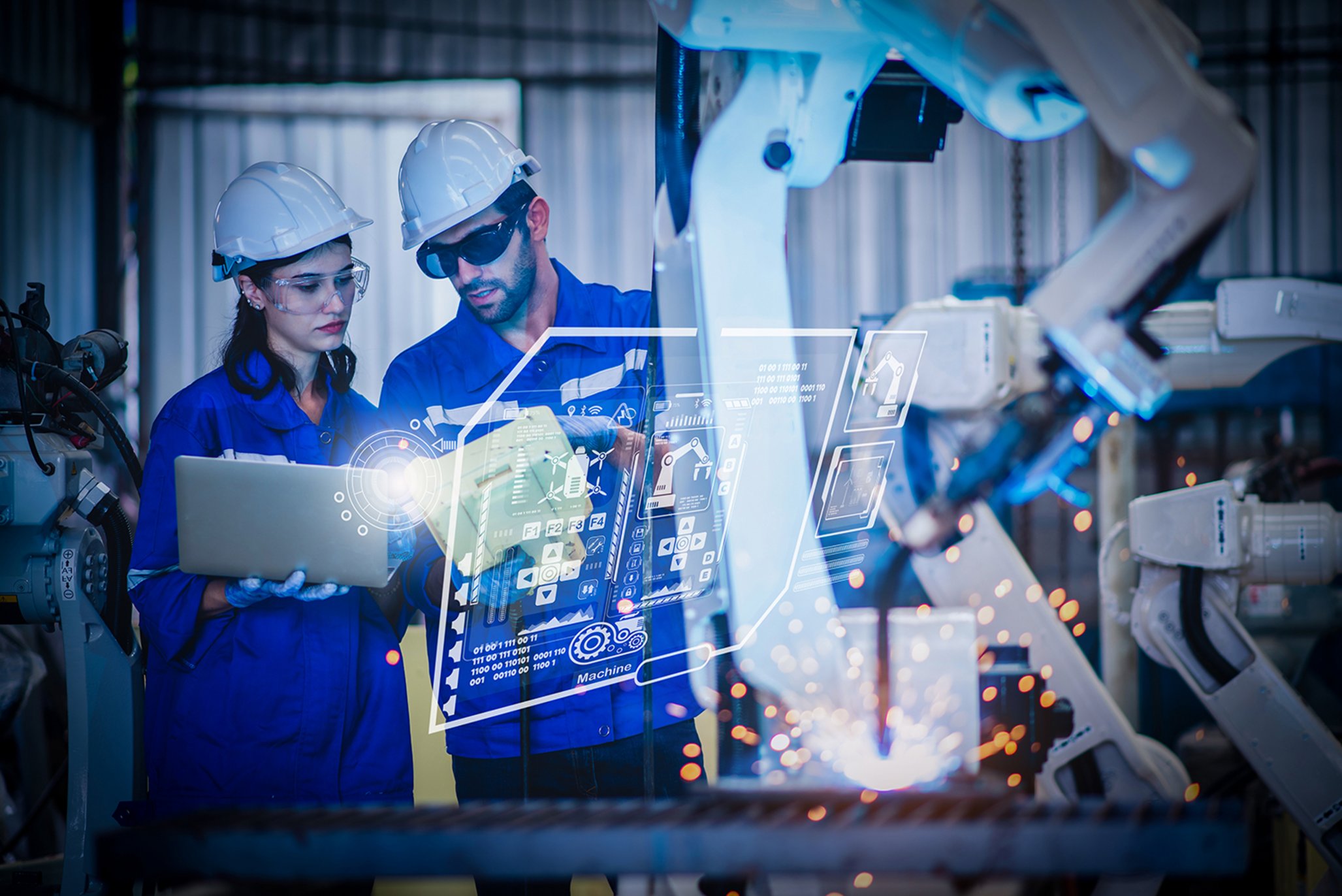
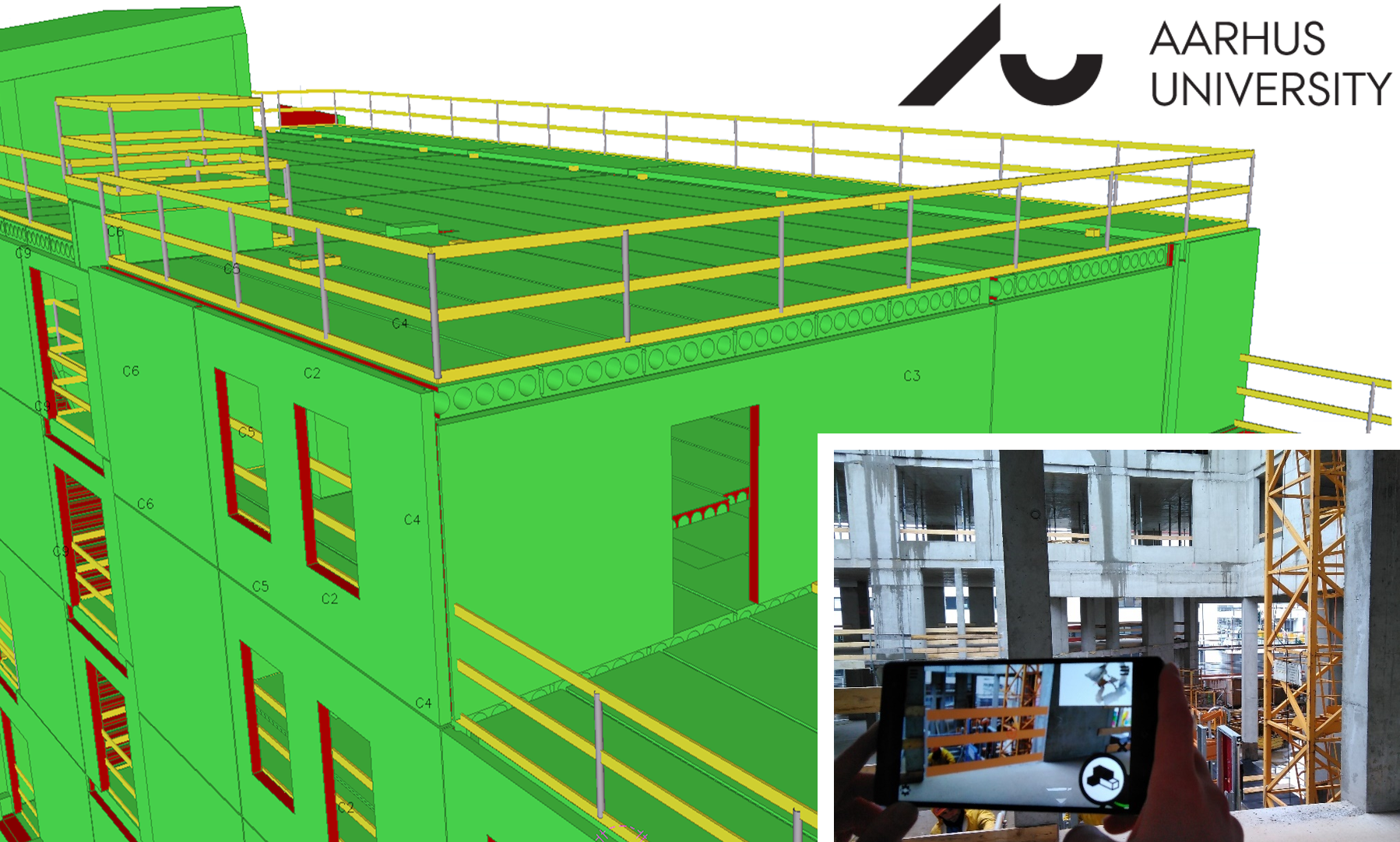
Digital twins are simulated, digital representations of physical products and systems that combine sensor data, methods from artificial intelligence, and models based on physical laws. They make it possible to test, analyse and further develop products and processes long before they are physically realised. This provides new insights and reduces the need for trial-and-error in product development.
At the Department of Electrical and Computer Engineering, we have solid experience with digital twins, working with advanced sensor technologies, as well as modelling and data analysis methods. Through our activities, we develop technical methods and tools that are used by both established industrial companies and startups to make product development more precise, faster and more sustainable. This makes it easier for companies – particularly SMEs – and the public sector to realise the potential of digital twins as an integrated part of their digital and green transition.